Custom Plush Toys and Stuffed Animals
A plush toy is kept for emotional reasons rather than practical ones, which makes it behave differently from every other promotional item. It is not evaluated on usefulness, it is adopted. For pediatric healthcare, family events, mascot programs, and children’s campaigns, nothing else creates the same attachment.The range covers stock plush animals, custom shapes and mascot plush, plush with printed shirts or accessories, and soft squeezable novelties. For squeeze and fidget items see Stress Toys, and for other children’s items see Toys.
Showing 46–90 of 176 resultsSorted by price: low to high

- Price from: $3.05Select options This product has multiple variants. The options may be chosen on the product page
- Price from: $3.69Select options This product has multiple variants. The options may be chosen on the product page
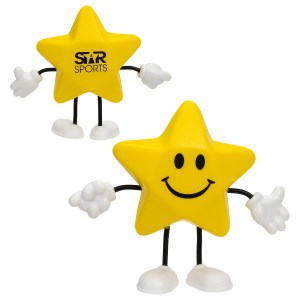
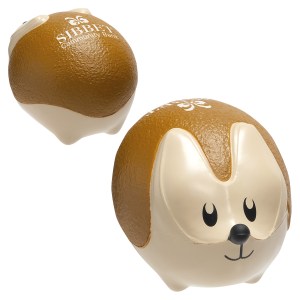
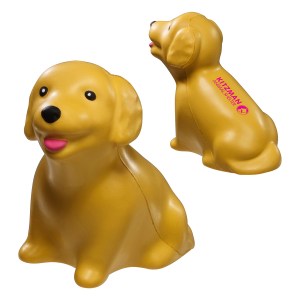

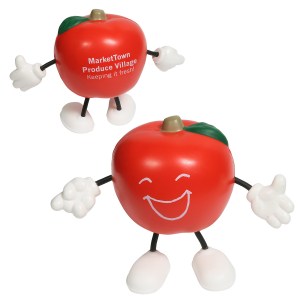
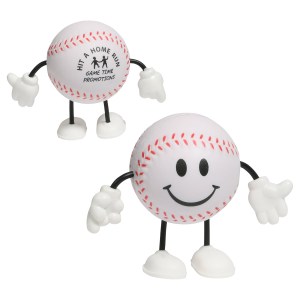
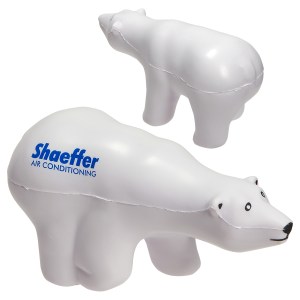
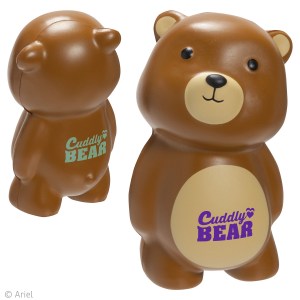
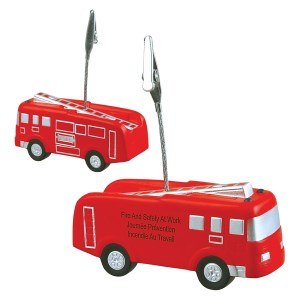
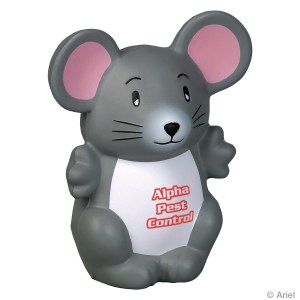
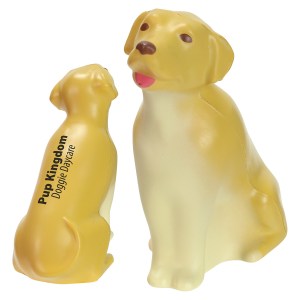
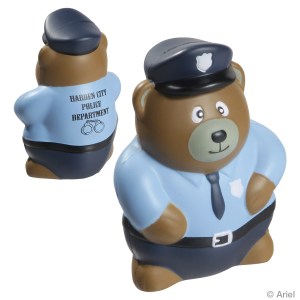
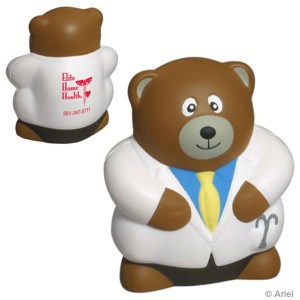
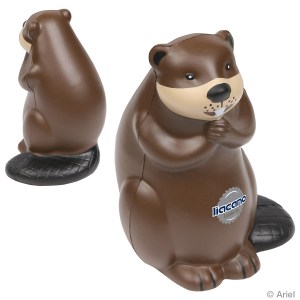
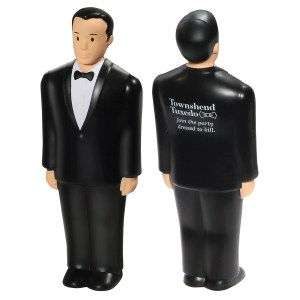
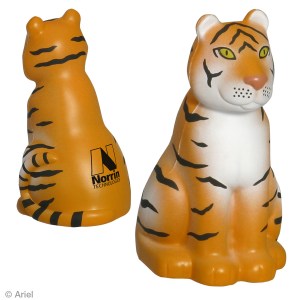
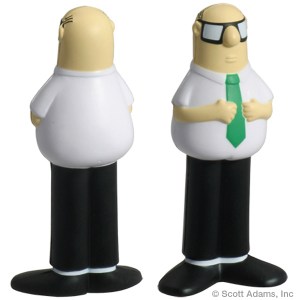

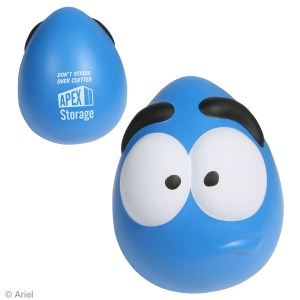
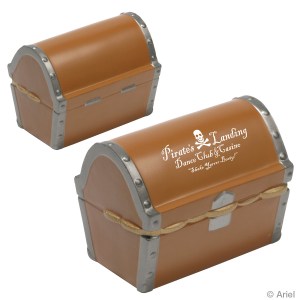
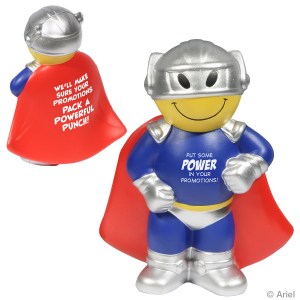
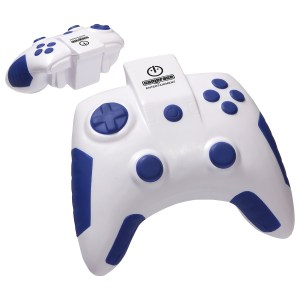
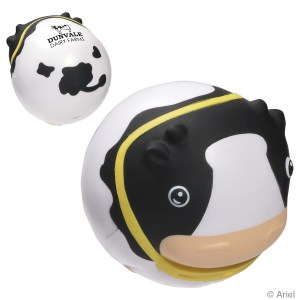
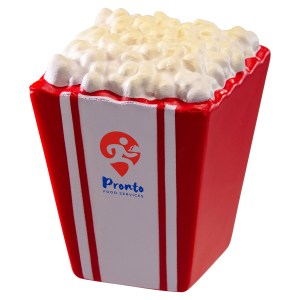
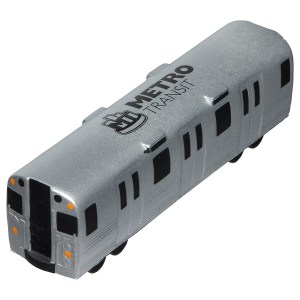
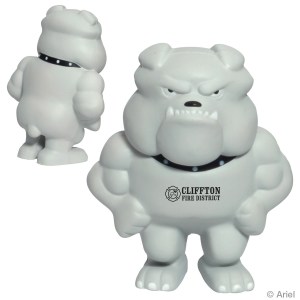
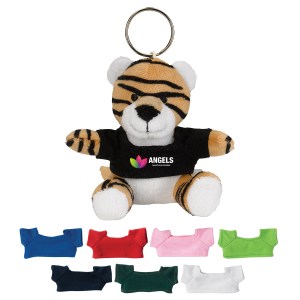
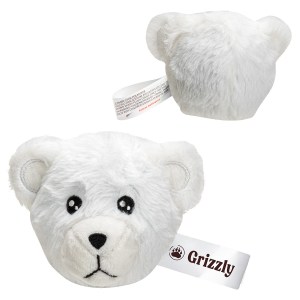
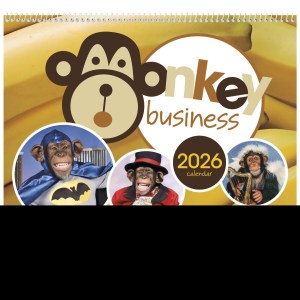
Showing 46–90 of 176 resultsSorted by price: low to high
Safety is the first and last question
Plush given to children in the United States falls under CPSIA, covering lead and phthalate limits, third party testing, and tracking labels. Ask the supplier to confirm compliance in writing and keep the certificate.
The specific risks in plush are eyes and noses, which must be securely fastened rather than glued, and seams, which must not release stuffing. For children under three, embroidered features rather than plastic eyes are the safer specification, and many hospitals require it.
Flammability standards also apply to stuffed products in several markets. None of this is optional, and a supplier who cannot produce documentation is the wrong supplier for this category.
Stock plush or custom
Stock plush is an existing animal that you brand, usually with a small printed shirt, a bandana, or a hang tag. It is inexpensive, available quickly, and available in small quantities. The branding sits on the accessory rather than the animal.
Custom plush is made to your design, which is how mascots become objects. It requires a sample approval process, a significant minimum order, and a lead time commonly running several months for overseas production. It is worth it for an organization with a mascot it will use for years, and a poor fit for a one-off event.
If you are commissioning custom plush, expect two or three rounds of physical samples. A mascot that looks right in a drawing frequently looks wrong in three dimensions, and the sample stage is where that gets fixed.
Materials and washability
Plush is almost always polyester fiber with polyester fill. Ask about washability, because a toy given to a child will need washing and a plush that mats or falls apart in a machine becomes rubbish quickly.
Surface-washable is common and means what it says. Machine washable is better and worth specifying for healthcare and childcare settings, where hygiene requirements are real.
The audience point worth stating
Plush is genuinely effective and it has a narrow band of appropriate use. Given to children, it creates a lasting positive association with your organization, and the parent remembers who provided the comfort.
Given to adults at a business event, it usually reads as filler. There are exceptions, a well-executed mascot has real collector appeal, and plush works for anyone in a role that involves comforting people, but a generic teddy bear on a trade show table aimed at procurement managers is budget spent for nothing.
Where it works
Pediatric clinics, dental practices, and children’s hospitals, where a plush toy changes a frightening visit. Emergency services, who carry them in vehicles for children at incidents. Charities and fundraising, where plush sells. Banks, insurance, and real estate agents serving families. Universities and sports teams with mascots. Zoos, museums, and attractions.
Decoration is usually a printed or embroidered accessory, a woven hang tag, or embroidery directly onto a flat area. Keep the branding on the tag or shirt rather than the animal, which is both safer and more likely to be kept. Browse the wider range in Toys & Games.