Custom Hoodies and Sweatshirts with Your Logo
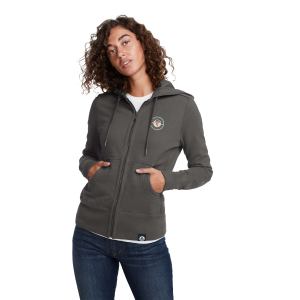
A hoodie is the single most requested branded item among anyone under forty, and it is the one piece of corporate apparel that people wear outside work by choice. That is the whole argument: a hoodie is not worn because it is free, it is worn because it is comfortable, and comfort is what turns a logo into something a person is willing to be seen in.The range covers pullover and full-zip hoodies, garment-dyed styles, French terry crews, performance and lightweight hoodies, and dye-sublimated designs, in unisex and women’s cuts. For shirts see Shirts, and for outerwear see Jackets.
Showing 181–184 of 184 resultsSorted by price: low to high
 Price from: $142.63Select options This product has multiple variants. The options may be chosen on the product page
- Price from: $143.94Select options This product has multiple variants. The options may be chosen on the product page
- Price from: $156.35Select options This product has multiple variants. The options may be chosen on the product page
- Price from: $172.46Select options This product has multiple variants. The options may be chosen on the product page
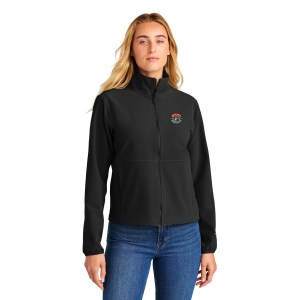
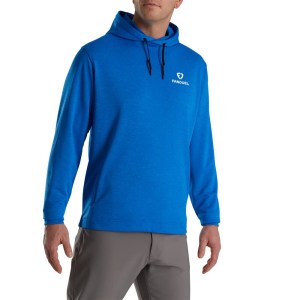
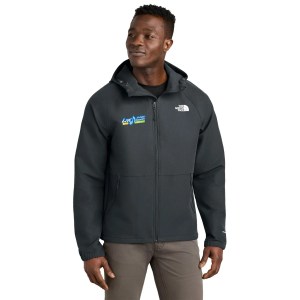
Showing 181–184 of 184 resultsSorted by price: low to high
Fabric weight decides everything
Hoodie quality is fabric weight, quoted in ounces or GSM. A lightweight hoodie around 7 to 8 oz is thin and suited to layering or warm climates. The 8 to 10 oz range is the everyday standard. Above 10 oz is a heavyweight hoodie, which is what people mean when they say a hoodie feels expensive.
The inside matters as much as the weight. Brushed fleece is soft against the skin and is what most people expect. French terry has a looped interior, is lighter, breathes better, and looks more refined, which makes it the better choice for an office-adjacent audience.
Garment dyed hoodies are dyed after construction, which gives a soft, slightly faded, lived-in look that currently outsells flat colors by a wide margin with younger audiences.
Details that separate good from cheap
Look at the drawcord, the eyelets, and the cuffs. Metal eyelets and a flat woven cord read as quality; plastic eyelets and a thin round cord do not. Ribbed cuffs and hem should spring back rather than stay stretched.
A double-lined hood holds its shape and sits properly when down, which is how a hood spends most of its life. A single-layer hood collapses flat and makes the whole garment look cheap from behind.
Side pockets or a kangaroo pouch should be deep enough for a phone. This sounds trivial and it is the feature people notice daily.
Embroidery, screen print, or full color
Embroidery on the left chest is the corporate standard and survives indefinitely. On thick fleece it needs proper backing, otherwise the stitching sinks into the pile and loses definition. Fine text does not work at small sizes.
Screen printing is right for large graphics across the chest or back and is the economical choice at volume. A soft-hand or water-based ink sits in the fabric rather than on it, which matters enormously on a garment worn against the skin. A thick plastisol print on a hoodie feels like a sticker and cracks.
Dye sublimation allows all-over designs but requires polyester, which changes the feel of the garment considerably.
The mistake that wastes the budget
Hoodies are expensive per unit, which tempts buyers into ordering a cheap blank so everyone gets one. This is backwards. A thin hoodie with a stiff print is worn once and becomes a garage garment, so you paid for reach and got none.
Order fewer, heavier hoodies and let the rest of the audience have a tee. A heavyweight hoodie that someone wears every weekend is worth more impressions than thirty thin ones in cupboards, and it says something about the organization that gave it.
Sizing and audience
Collect sizes in advance whenever possible. Hoodies are worn oversized by preference in many audiences, so people frequently want a size up from their shirt size. Weight the run toward large and extra large, and include genuine extended sizes rather than a token pair.
Hoodies work for onboarding and new-hire kits, universities and student groups, technology companies, sports teams and clubs, retail merchandise, and any employer trying to give staff something they would have bought. Browse the full range in Apparel & Accessories.